
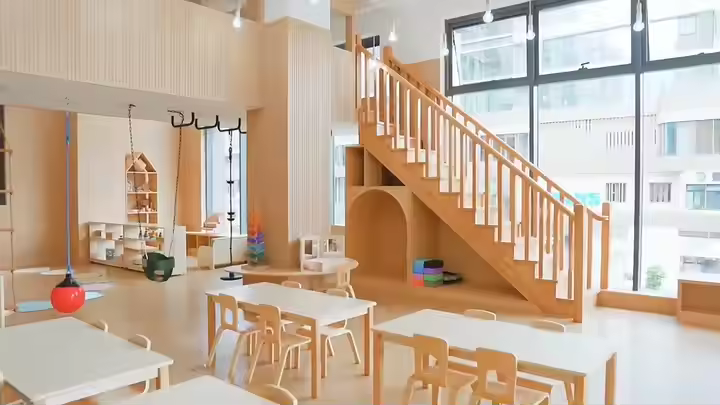
Creating regions in which kids feel cushy, inspired, and steady begins with considerate layout. Daycare furniture plays a pivotal function in shaping those environments. Each piece contributes to functionality, studying, and creativity. At Kids Corner Design, we consciousness on deciding on furniture that balances sturdiness with playfulness. From seating to garage, each object is intentional, helping a toddler’s developmental needs. Moreover, the right furnishings arrangement encourages interplay, independence, and inventive play. Integrating those elements ensures kids thrive at the same time as caregivers preserve a practical, organized setting. Ultimately, the motive is an area that feels welcoming and inexperienced without sacrificing fashion or comfort.
Choosing the Right Daycare Furniture for Functionality and Fun
Selecting daycare furniture calls for balancing realistic use with little one-centered layout. Children spend most of their day in those areas, so consolation and protection are paramount. Furniture ought to adapt to diverse sports activities, from group getting to know to quiet time. For example, tables with adjustable heights permit flexibility for one in every of a type age group. Storage devices should be available but prepared, teaching responsibility and independence. Moreover, gentle seating regions promote relaxation and calm. Incorporating those factors guarantees children sense supported in their exploration. By prioritizing long lasting materials, easy maintenance, and revolutionary layouts, spaces stay useful while sparking creativeness. Careful interest of these factors strengthens the academic and playful factors of a daycare.
Modern Daycare Interior Design Ideas that Inspire Creativity
A modern daycare interior design approach elevates everyday learning spaces into hubs of imagination. Bright colors, natural lighting, and open layouts influence mood and engagement. Integrating thematic zones allows children to navigate activities independently while stimulating creativity. Flexible furniture arrangements support multiple learning styles and promote collaboration among peers. Incorporating sensory areas with textures, interactive walls, or soft mats encourages exploration safely. Furthermore, a balance between structured spaces and open play areas enhances focus and freedom. Thoughtful design choices in a modern daycare interior plan framework not only create visually appealing spaces but also nurture emotional and cognitive growth.
Ergonomic and Safe Daycare Fixtures Selection
Children require furniture that matches their size and promotes healthy posture. Daycare fixtures must meet ergonomic standards to ensure safety and long-term comfort. Rounded edges, non-toxic finishes, and stability are essential to prevent injuries. Chairs and tables that align with children’s proportions enhance learning experiences and support motor development. In addition, lightweight yet durable materials make rearranging furniture simpler for teachers and caregivers. Integrating furniture that grows with children adds both value and sustainability. When selecting pieces, consider adaptability, multipurpose use, and integration with the overall design. These choices elevate the space while maintaining functionality and safety.
Designing Learning Zones for Maximum Engagement
Creating interactive zones encourages curiosity, focus, and social interaction. Use daycare fixtures strategically to separate areas for reading, art, imaginative play, and quiet time. Modular furniture allows spaces to change based on daily activities and age groups. For example, low shelving for art supplies promotes independence, while cozy reading nooks offer retreat areas for concentration. Incorporating rugs, beanbags, and small tables helps define these zones naturally. Thoughtful layouts reduce clutter and provide clear pathways, ensuring children move safely. Designing zones with purpose enriches children’s experiences, supporting both structured and unstructured activities. Spaces become more than functional, they become inspiring.
Incorporating Daycare Interior Design with Sustainability
Sustainability in daycare interior design plan ensures environments are safe, long-lasting, and environmentally responsible. Selecting low-VOC finishes, durable fabrics, and recycled materials reduces harmful exposure. Natural lighting and energy-efficient fixtures enhance wellness and comfort for children and staff. Furniture should be multipurpose and designed for longevity, minimizing waste while adapting to changing needs. Additionally, sustainable practices teach children the importance of caring for their surroundings. Integrating green principles within daycare spaces promotes environmental awareness without compromising aesthetic appeal. By blending sustainability with style, the daycare becomes a model of responsible design that inspires future generations.
Color Psychology in Daycare Spaces
Colors have a direct impact on children’s moods and energy. Thoughtful use of vibrant, calming, and neutral tones enhances focus and creativity. Warm colors like yellow or orange encourage interaction and play, while cooler shades like blue and green promote relaxation. Daycare fixtures can complement color schemes, reinforcing learning zones and thematic areas. Pairing furniture with walls, rugs, and play mats creates harmony while subtly guiding children’s behaviors. Using consistent colors across zones also helps children feel oriented and secure. Through strategic color choices, daycare environments become more engaging, comforting, and developmentally supportive.
Flexible Layouts for Evolving Needs
Children’s spaces must adapt as they grow and programs change. Modular daycare fixtures allow easy rearrangement for group projects, activities, or quiet time. Flexible layouts provide caregivers the freedom to adjust rooms based on daily schedules or seasonal programs. Open spaces paired with movable storage or seating promote collaboration and ensure safety. Planning for adaptability reduces future costs and maximizes the usability of the space. A flexible design also supports varied learning styles, ensuring all children thrive in an environment tailored to their needs. These strategies create spaces that are functional, dynamic, and prepared for growth.
Conclusion
Selecting daycare furniture thoughtfully transforms ordinary spaces into nurturing environments. Children benefit from furniture that supports growth, creativity, and independence. A combination of ergonomic design, flexible layouts, and vibrant interiors enhances daily experiences for both kids and caregivers. Modern approaches to modern daycare interior design ensure spaces are not only visually appealing but also functional and safe. By investing in high-quality, adaptable, and sustainable pieces, every classroom becomes a stage for learning, play, and discovery. At Kids Corner Design, we believe purposeful design allows children to feel comfortable, empowered, and inspired every day. Thoughtful furniture choices make all the difference in shaping these meaningful spaces.